Save up to 20% today!
Moroccan Culture & Traditions: A Complete Guide to Local Life, Food & Customs
Explore Moroccan culture and traditions, including food, customs, and daily life. Discover how to experience authentic Morocco like a local.
2/7/2026
Experience Morocco Beyond the Sights
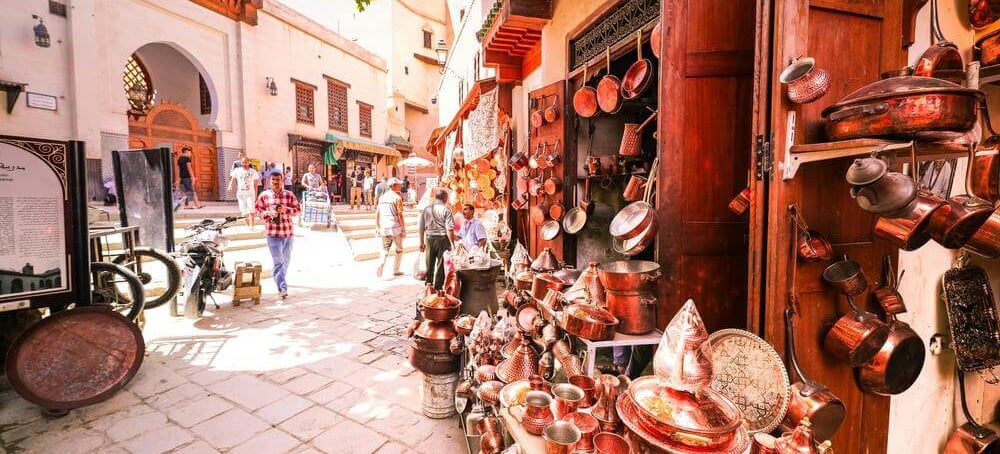
Morocco is not only a destination to see—it is a destination to feel. Its culture is woven into everyday life, from morning greetings in quiet neighborhoods to evening gatherings around shared meals. Understanding Moroccan traditions allows travelers to move beyond surface-level tourism and connect meaningfully with the people and places they encounter.
This Moroccan culture and traditions travel guide offers insight into customs, daily routines, food culture, social values, and local experiences that define Morocco travel. You can also explore our Morocco travel guide for complete trip planning and discover the best experiences through our cultural tours and desert trips.
The Foundations of Moroccan Culture
A Blend of Influences
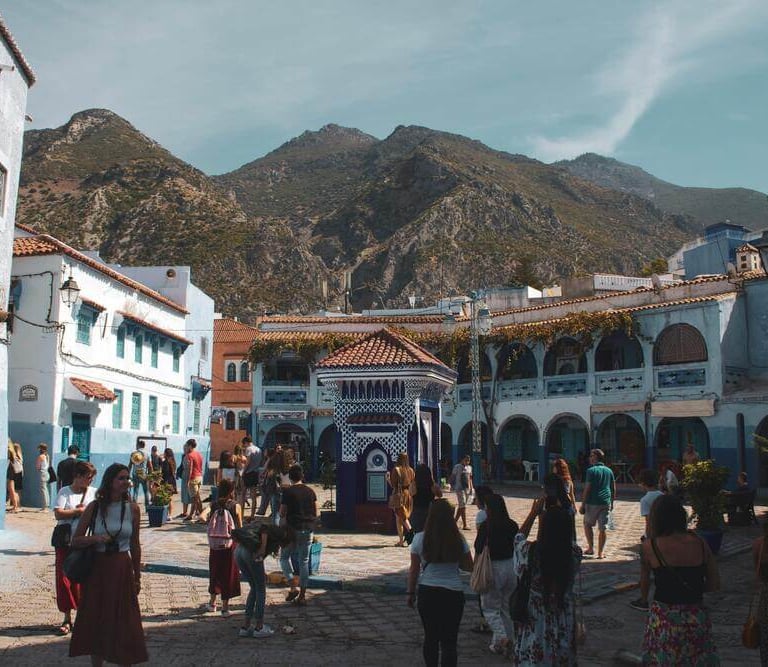
Moroccan culture has developed over centuries through a mix of indigenous traditions, historical trade routes, and regional diversity. While cities like Fes reflect deep historical roots, places such as Marrakech showcase living traditions shaped by art, craftsmanship, and hospitality.
Family, respect, and community are central values across the country. Visitors who acknowledge these values are often met with warmth and generosity.
Daily Life in Morocco
Rhythm of the Day
Life in Morocco follows a natural rhythm shaped by work, family, and social interaction.
A typical day includes:
Morning routines and local errands
Midday meals shared with family
Afternoon rest or social visits
Evening gatherings in cafes or homes
In historic medinas, daily life unfolds in narrow streets where neighbors know one another and traditions are preserved across generations.
Hospitality and Social Etiquette
A Culture of Welcome
Hospitality is one of Morocco’s most defining traits. Guests are treated with genuine care, whether visiting a private home or staying in a traditional riad.
Important etiquette tips:
Accept tea when offered
Greet people politely before asking questions
Show appreciation for hospitality
Use your right hand when eating or greeting
These small gestures go a long way in creating positive interactions during Morocco tours.
Food Culture and Shared Meals
More Than Just Eating
Food plays a central role in Moroccan daily life. Meals are moments of connection, often shared from communal dishes.
Typical customs include:
Family meals eaten together
Bread used instead of utensils
Guests served first as a sign of respect
From home-cooked meals to market dining, Moroccan food culture reflects generosity and pride in tradition.
Traditional Clothing and Appearance
Expression of Identity
Traditional clothing remains an important part of Moroccan culture, especially during celebrations and religious occasions.
Common garments include:
Long flowing robes for daily wear
Elegant outfits for special events
Handcrafted accessories Travelers are not expected to dress traditionally, but modest clothing is appreciated, especially in rural areas and historic neighborhoods.
Music, Art, and Craftsmanship
Cultural Expression Through Creativity
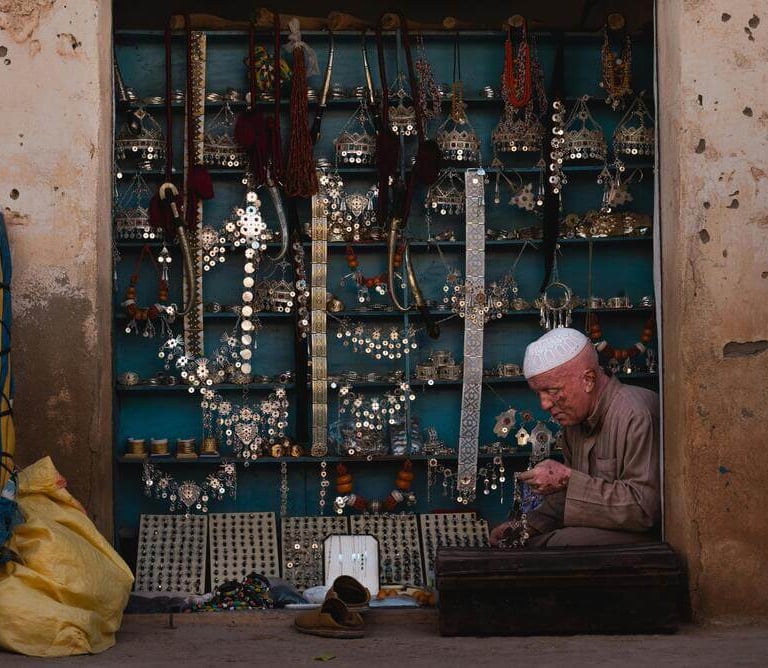
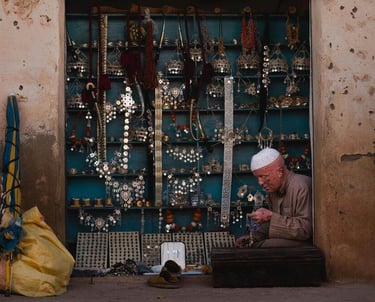
Morocco has a rich artistic heritage visible in music, architecture, and crafts. Each region has its own artistic identity.
Highlights include:
Traditional music performed during celebrations
Intricate tilework and wood carving
Handwoven textiles and leather goods
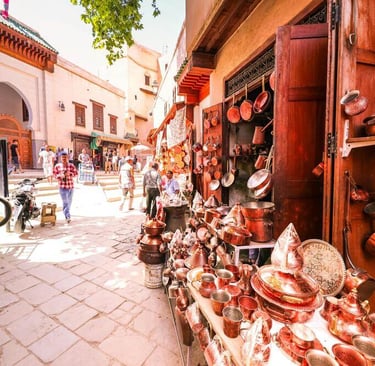
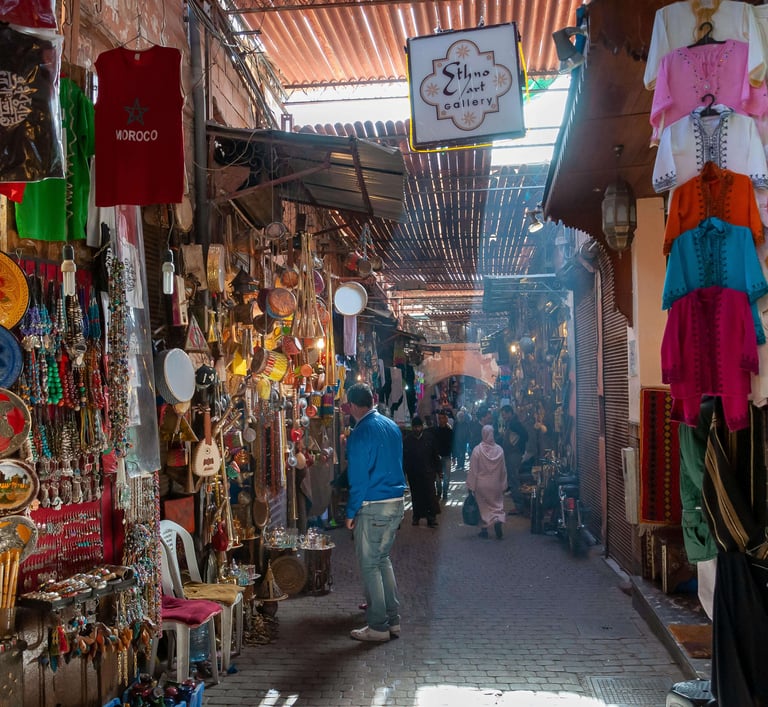
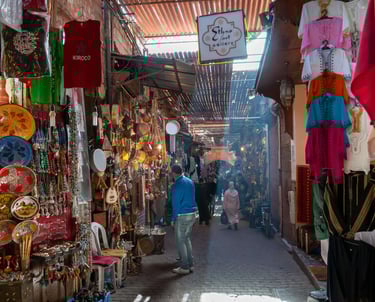
Souks in cities like Marrakech and Fes are living museums where artisans continue centuries-old techniques.
Religious and Cultural Respect
What Travelers Should Know
Religion influences daily life in subtle ways, shaping schedules, celebrations, and social customs.
Travel tips:
Be respectful near places of worship
Dress modestly when visiting historic sites
Avoid interrupting prayer times
Understanding these practices helps travelers move respectfully within local communities.
Local Experiences That Deepen Cultural Understanding
Travel Like a Guest, Not a Tourist
The most meaningful Morocco travel experiences come from cultural immersion.
Consider:
Staying in a traditional riad
Joining a guided medina walk
Participating in a cooking experience
Visiting local markets with a guide
These activities are often included in curated Morocco tours designed for deeper cultural engagement.
Cultural Differences First-Time Visitors Notice
It is normal to encounter differences when visiting Morocco.
Common observations:
Negotiation is part of shopping culture
Social interactions are warm and expressive
Time is more flexible than in Western countries
Approaching these differences with patience and curiosity enhances your Morocco itinerary.
FAQs – Moroccan Culture and Traditions
Is Moroccan culture welcoming to tourists?
Yes. Moroccans are known for their hospitality and openness toward visitors.
Do travelers need to follow strict customs?
No, but respectful behavior and modest dress are appreciated.
Can visitors participate in cultural experiences?
Absolutely. Cooking classes, guided tours, and local workshops are widely available.
Is it polite to take photos of people?
Always ask permission before photographing individuals.
Travel with Cultural Awareness
Understanding Moroccan culture transforms a trip into a meaningful journey. From daily life and shared meals to hospitality and artistic expression, Morocco invites travelers to slow down, observe, and connect.
When culture is respected and embraced, Morocco travel becomes richer, more authentic, and deeply rewarding. You can explore our cultural tours in Morocco or discover unique experiences through our Sahara desert trips.
Ready to experience Morocco beyond the surface?
Discover our private Morocco tours and custom Morocco itineraries designed to immerse you in the country’s culture, traditions, and unforgettable local experiences.