CULTURE & WELLNESS
Moroccan Hammam Guide: What to Actually Expect
A hammam is one of the most genuinely local experiences you can have in Morocco, and one of the most misunderstood by first-timers. Here’s what actually happens, what to bring, and how to choose between a public hammam and a spa version.
Public Hammam or Spa Hammam?
A traditional public hammam is the everyday version Moroccans actually use — simple, warm, steamy, and social, usually split by gender either in separate sections or separate hours. Locals bring their own kit: a towel, sandals, soap, shampoo, a kessa glove, and a small bucket. It’s cheap, unpolished, and about as authentic as the experience gets.
A spa hammam — the version in most riads and dedicated spas — adapts the same ritual into a private, comfortable, tourist-friendly format. Everything is provided, an attendant does the scrubbing for you rather than you doing it yourself, and it’s usually paired with a massage or argan oil finish. For a first hammam experience, the spa version removes most of the guesswork; the public version is worth trying once you know what to expect.
The Ritual, Step by Step
You sit in a warm steam room first, which softens the skin and opens the pores — this alone can take 10–15 minutes. Then comes savon beldi (black soap), a sticky, dark, olive-oil-based soap that’s massaged over your entire body and left to sit for several minutes while the steam keeps working on it.
Next is the part that surprises most first-timers: an attendant scrubs your skin, head to toe, with a kessa glove — a coarse-textured mitt that removes a genuinely startling amount of dead skin. It can feel intense, especially the first time, but it isn’t painful, and you can always ask for a lighter touch. A rinse and often a rhassoul clay mask follow, leaving skin noticeably smoother than anything a regular shower achieves.
What to Bring (or Not Worry About)
At a spa hammam in a riad or hotel: nothing. Everything — towels, black soap, kessa glove, rhassoul clay — is provided as part of the treatment, and you’ll usually be given a disposable swimsuit or simple wrap if you’d rather not go without.
At a public hammam: bring your own towel, flip-flops (the floors are wet and can be slippery), black soap and kessa glove if you have them, and a few dirhams in cash for entry and for tipping the kessala (scrubbing attendant) if one assists you.
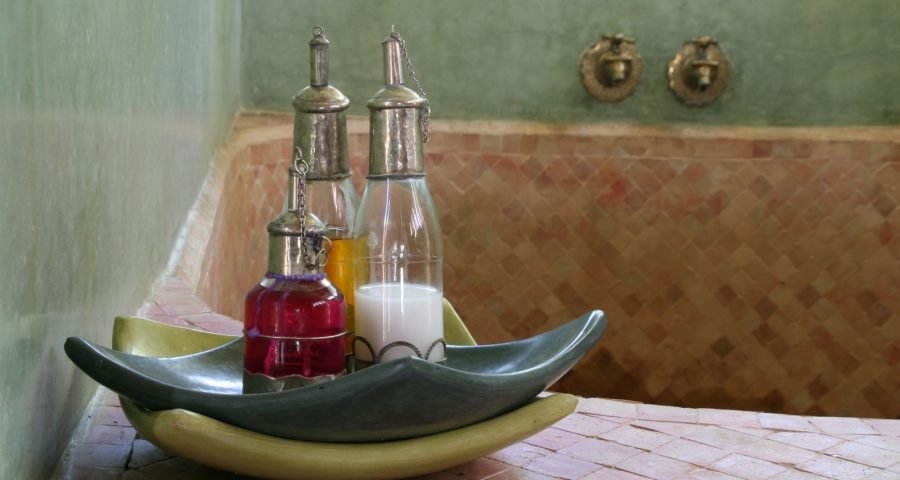
The Oils and Soaps Are Part of the Ritual
What Actually Happens, in Order
A typical spa hammam session runs 45 minutes to an hour; a full ritual with massage can run 90 minutes to two hours.
- 1. Steam room: 10–15 minutes to warm the body and soften the skin before anything else happens.
- 2. Black soap application: savon beldi is massaged over the whole body and left to work for several minutes.
- 3. Kessa glove scrub: an attendant (or you, in a public hammam) scrubs off the loosened dead skin, head to toe.
- 4. Rinse: warm water washes away the soap and exfoliated skin, often with a bucket poured over you rather than a shower.
- 5. Rhassoul clay (optional, common in spas): a mineral clay mask, mined only in Morocco's Middle Atlas, that tightens pores and finishes the treatment.
Etiquette That Matters
A few things worth knowing before your first visit.
- Gender-segregated, always: by separate rooms or separate hours in public hammams, and by private booking in spas — mixed-gender hammams don't really exist in the traditional sense.
- Nudity norms vary: in public hammams, women typically keep underwear on and many go topless; spa hammams usually provide a disposable swimsuit or wrap if you'd prefer more coverage.
- Speak up if the scrub is too rough: “bezzaf” (too much) or “shwiya” (gently) are the Darija words attendants expect to hear — see our Darija phrasebook for more.
- Tip the attendant: roughly 20–50 MAD is standard, more at an upscale spa — see our money and tipping guide for the full picture.
- Mention any skin sensitivity upfront: sunburn, recent shaving, or skin conditions are all good reasons to ask for a lighter scrub before the attendant starts.
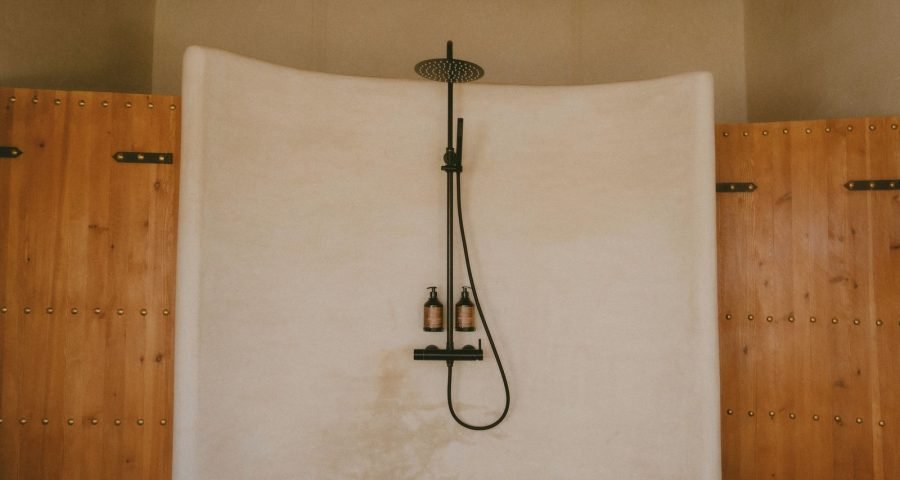
Many Riads Have Their Own Small Hammam or Spa Room
Good to Know
A few more practical details before you book.
- It's not just for tourists: most Moroccans, especially in cities, visit a hammam weekly — it's a genuine social and hygiene institution, not a spa invented for visitors.
- Book ahead in riads: smaller riad hammams often have one treatment room, so a same-day request isn't always possible during busy season.
- It pairs well with a souk visit: pick up your own savon beldi, kessa glove, and rhassoul clay in the souk to recreate the ritual at home.
- Hydrate afterward: the steam and scrub are genuinely dehydrating — drink water before and after.
Related on Marvels of Morocco: Money in Morocco: Currency, ATMs & Tipping — Moroccan Arabic (Darija) Phrasebook — Marrakech Travel Guide
Frequently Asked Questions
TRAVEL PLANNING
Want a Real Hammam Experience Built Into Your Trip?
Tell us your dates and interests, and we’ll help you find a genuine hammam experience — whether that’s a riad’s own spa or a proper local public hammam. On our honeymoon journeys, a couples’ hammam and spa treatments can be arranged on request.