
MULTI-DAY MOROCCO TOUR
6-Day Marrakech to the Sahara Desert and Fes Tour
A private multi-day Morocco tour combining the Atlas Mountains, two nights near the Sahara Desert, and the imperial city of Fes.
DURATION
6 Days / 5 Nights
ROUTE
Marrakech to Fes
GROUP SIZE
2-16 People
TYPE
Private Multi-Day Tour
Tour Overview
This 6-day private tour is a slightly more relaxed version of our classic Marrakech to Fes route, with an extra day built in around the Sahara Desert so you are never rushed between destinations. You will cross the High Atlas Mountains, spend two nights in the Merzouga area, and finish with a full day exploring the historic medina of Fes.
Traveling by private vehicle with your own driver, this is one of our most requested multi-day Morocco tours, ideal for travelers who want real time in the Sahara Desert as well as Morocco’s imperial cities, without feeling like the trip is one long drive.
Tour Highlights
- Cross the High Atlas Mountains via the Tizi n’Tichka pass
- Visit Ait Ben Haddou, a UNESCO World Heritage kasbah
- Explore the Dades Valley and the Todra Gorges
- Two nights in the Merzouga desert region, with time to properly explore the dunes
- Camel trek into the Sahara at sunset, with a second chance to see it at sunrise
- Visit Khamlia, a small village known for its Gnawa music traditions
- Drive through the Ziz Valley and the Middle Atlas Mountains
- Full guided day exploring the Fes medina, including the tanneries and Bou Inania Madrasa
Day-by-Day Itinerary
Day 1: Marrakech to Dades Valley — via the Atlas Mountains & Ait Ben Haddou
Leaving Marrakech behind, your first day heads south into the High Atlas Mountains via the Tizi n’Tichka pass, a road that winds through more than fifty kilometers of switchbacks, red rock cliffs, and small Berber villages clinging to the hillsides. Your driver will make several stops at viewpoints so you can take in the changing scenery, and you will likely pass mule trains carrying goods between villages that still have no direct road access.
The morning’s main stop is Ait Ben Haddou, a fortified ksar built almost entirely from rammed earth, and one of the best-preserved examples of traditional Southern Moroccan architecture. Its dramatic silhouette against the surrounding hills has made it a favorite filming location for decades, and you will have time to explore its narrow passageways, visit artisan workshops still operating within its walls, and climb to the old granary at the summit for sweeping views over the Ounila Valley.
From there, the road continues through Ouarzazate and the Skoura oasis, a dense palm grove dotted with centuries-old kasbahs, before reaching the Valley of Roses, famous for the Damascena roses harvested each spring for rose water and cosmetics. You will arrive in the Dades Valley in the late afternoon, where folded, wind-carved rock formations rise above terraced fields along the river.
Overnight in a guesthouse in the Dades Valley, with a home-style Moroccan dinner typically served on arrival.
Day 2: Dades Valley to Merzouga — via the Todra Gorges
This morning offers a little more time to enjoy the Dades Valley’s dramatic scenery before continuing east toward the Todra Gorges, a limestone canyon where cliffs rise more than 300 meters on either side of a narrow river. The gorges are a well-known destination for rock climbers, and you will have time for a walk along the canyon floor and a mint tea at one of the small cafés built into the rock face.
Leaving Todra, the landscape shifts quickly from green valley to stony desert plain, known locally as hamada, as you head toward Merzouga. Small oasis towns and occasional nomadic encampments break up the otherwise flat horizon, and the first dunes of the Sahara gradually come into view as the afternoon light begins to soften.
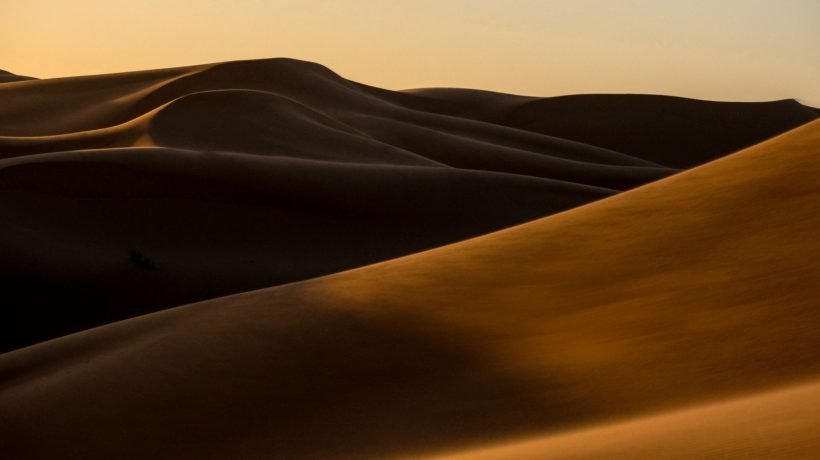
At the edge of Erg Chebbi, Morocco’s tallest dune field, you will leave your vehicle for a camel and ride roughly an hour into the dunes as the sun sets, watching the sand shift through shades of gold and rose. Arriving at your desert camp, you will be greeted with mint tea, followed by a traditional dinner and an evening of Berber music around the fire beneath an unusually clear, star-filled sky.
Overnight in a private desert camp near Merzouga.
Day 3: Merzouga — Full Day in the Sahara
With a full extra day built into this itinerary, today is about slowing down and properly experiencing the desert rather than rushing through it. After watching the sunrise turn the dunes shades of orange and gold, you will have a relaxed breakfast at camp before choosing how to spend the day.
A popular option is a 4×4 excursion to Khamlia, a small village a short drive from Merzouga, home to a community descended from West African migrants who settled in the region generations ago and who are known for their Gnawa music — a hypnotic, trance-like style played on traditional metal castanets and a three-stringed bass lute. An informal performance here is a memorable, low-key cultural experience quite different from the desert scenery itself.
Alternatively, you can spend the day exploring the dunes on foot, visiting the seasonal Dayet Srji lake when water levels allow — a surprising sight that attracts flamingos and other migratory birds to the edge of the Sahara — or simply relaxing at camp, reading in the shade, and enjoying the quiet that is difficult to find anywhere else.
In the evening, return to the dunes for a second sunset and a second night in the desert camp, a rare chance to properly settle into the rhythm of life in the Sahara rather than experiencing it as a single rushed overnight.
Overnight in the desert camp near Merzouga.
Day 4: Merzouga to Fes — via the Ziz Valley & Middle Atlas
After a final sunrise over the dunes, begin the journey north along the Ziz Valley, where the road follows a long, winding ribbon of date palm groves and traditional villages built into the hillsides above the Ziz River. This valley has served as a key trade route for centuries, and roadside stalls selling dates, almonds, and other oasis produce are a common sight.
As the route climbs into the Middle Atlas Mountains, the scenery changes noticeably — palm trees give way to cedar and oak forest, and the temperature drops. You will pass through Midelt, known for its apple orchards and mineral trade, before reaching Ifrane, a mountain town whose alpine-style stone chalets and sloped roofs feel distinctly different from the rest of Morocco, and which is popular with Moroccan families escaping the summer heat.
Arriving in Fes in the evening, you will have time to settle into your riad or hotel before dinner, with the medina waiting to be explored the following day.
Overnight in Fes.
Day 5: Fes — Guided City Tour
Today is dedicated to Fes, home to Fes el Bali, one of the largest car-free urban areas in the world and a UNESCO World Heritage Site since 1981. With a local guide, you will navigate a medina of more than 9,000 narrow streets and alleyways, a layout largely unchanged since the city’s founding over a thousand years ago.
Highlights typically include the Bou Inania Madrasa, a striking example of Marinid-era architecture with carved cedar wood and intricate zellige tilework; the historic Chouara Tannery, where leather has been dyed by hand in stone vats for centuries; and the area around the University of Al Quaraouiyine, founded in 859 and recognized as the oldest continuously operating institution of higher education in the world.
Beyond the major landmarks, the walk through the medina reveals daily life much as it has looked for generations — coppersmiths, weavers, spice merchants, and bakers carrying dough to the neighborhood’s communal oven. Your guide will help explain the history and traditions behind what you see, from the medina’s guild system to the symbolism found in its doorways and fountains.
Overnight in Fes.
Day 6: Departure from Fes
After breakfast, your private tour comes to an end. You can be transferred to Fes airport for a departing flight, to the train station if continuing by rail, or we can help arrange a private transfer to Chefchaouen, Rabat, or Casablanca if you would like to extend your trip.
What’s Included
- Private air-conditioned vehicle with driver for 6 days
- Fuel and all transportation costs
- Accommodation for 5 nights (guesthouse, 2 nights desert camp, Fes hotel)
- Daily breakfast
- Dinner on both nights in the desert camp
- Camel trek in Merzouga
- Guided walking tour of the Fes medina
What’s Not Included
- Flights
- Lunches and drinks
- Entrance fees to monuments and museums
- Travel insurance
- Personal expenses and tips
Good to Know Before You Go
- Best time to travel: spring (March–May) and autumn (September–November) offer the most comfortable temperatures for both the mountains and the desert.
- The extra night in Merzouga on this itinerary is ideal if you want more time to properly experience the Sahara rather than a single quick overnight.
- Desert nights get cold, even when the daytime temperature is warm — pack a warm layer for the evenings.
- This is a moderate-activity tour — mostly driving and walking, with an optional camel trek suitable for most fitness levels.
- Curious what an overnight stay in the desert is really like? Read our guide to a night in the Sahara Desert.
Frequently Asked Questions
START PLANNING
Ready to travel from Marrakech to the Sahara and Fes?
Tell us your travel dates and group size, and we’ll help you plan this journey through the Atlas Mountains, two nights in the Sahara Desert, and the imperial city of Fes.