
SIGNATURE EXPERIENCE
Wildlife Photography in Morocco
Every Marvels of Morocco trip is private and fully customizable. This itinerary is a starting point — we’ll shape it around your dates, pace, and interests.
Slow-paced private outings built around hides, patience, and the right light, for gazelle, foxes, primates and other wildlife across Morocco’s mountains and desert.
FOCUS
Wildlife Photography
REGIONS
Middle Atlas & Sahara Fringe
BEST TIME
Dawn & Dusk
GROUP SIZE
2-6 People
Built Around Hides, Patience, and Real Access
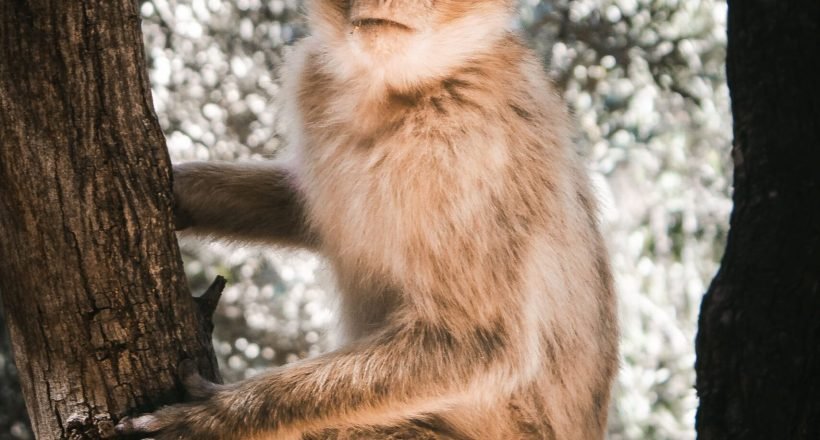
Standard Morocco tours occasionally pass wildlife by chance from a moving vehicle. This experience is built around the opposite approach: choosing the right location, the right time of day, and enough patience to let animals behave naturally in front of the camera. Morocco is home to a genuinely varied cast of wildlife once you know where and when to look, from wild Barbary macaques in Middle Atlas cedar forests to fennec foxes in the pre-Saharan south.
Your guide is a tracker first and a driver second, someone who understands animal movement patterns, feeding times, and how to position a vehicle or ground hide for a clean, undisturbed view. Days are built around dawn and dusk, when most Moroccan wildlife is genuinely active, with a slower midday pace in between.
Highlights
- Photograph wild Barbary macaques in their natural Middle Atlas cedar forest habitat
- Track fennec foxes and desert foxes at dawn and dusk in the pre-Saharan south
- Search for Barbary sheep on rocky High Atlas slopes
- Look for desert gazelle in open pre-Saharan terrain
- Work from vehicle hides and ground blinds for close, undisturbed access
- Guided by trackers with genuine field knowledge of local wildlife behavior
A Day in the Field
Wildlife photography rewards patience and timing far more than a packed schedule. A typical day looks something like this.
Before Dawn
Departure in the Dark
We leave before sunrise to reach the habitat while animals are most active and the light is softest. Coffee and a light breakfast come with us, not a rushed hotel buffet.
Golden Hour
The First Shooting Window
The hour after sunrise is usually the richest for both light and activity — macaques feeding in the cedar canopy, gazelle moving across open ground, birds working the wetland edges. Your guide positions you for the wind, the light, and the animal’s likely path, then lets you work without rushing you along.
Midday
Rest, Review, and Scouting
As animal activity drops with the heat, we retreat to shade to review images, rest, and eat, while your guide scouts the next location based on what was seen that morning.
Late Afternoon
The Second Window
As temperatures ease, we move to a second location timed for late-afternoon light and activity, often a different habitat entirely from the morning session, before heading back as the light fades.
What’s Included
- Private vehicle used as a wildlife hide
- Specialist wildlife guide and tracker
- All park and reserve entrance fees
- Accommodation in riads or lodges near key sites
- Daily breakfast
- Airport or city transfers
What’s Not Included
- International flights
- Lunches and dinners
- Travel insurance
- Camera and photography equipment
- Personal expenses and souvenirs
- Tips for your guide
Good to Know Before You Go
- Wildlife sightings can never be fully guaranteed, but routes and timings are chosen to maximize your realistic odds at each species.
- Dawn and dusk outings are standard practice, since this is when most Moroccan wildlife is genuinely active.
- A telephoto lens of 300mm or longer is recommended for serious wildlife photography, though the trip suits nature lovers without cameras too.
- This is a low-impact physical trip, mostly short walks and time spent quietly in a vehicle or hide.
- This experience combines naturally with our birdwatching and photography trip or a broader multi-day Morocco tour.
Frequently Asked Questions
START PLANNING
Ready to Photograph Morocco’s Wildlife?
Tell us your dates and interests, and we will design a private wildlife photography trip around Morocco’s mountains and desert.
What Our Travelers Say
“He accompanied us throughout the tour, telling us many anecdotes about each place and many curiosities of the place, making us live a truly authentic experience.”
“Our driver, Mohamed was simply the best! He was exceptionally kind, professional, and polite, not to mention a safe and highly skilled driver — just an all-around wonderful person.”