
SAHARA DESERT
Sahara Desert Travel Guide
Everything you need to know about visiting the Sahara Desert in Morocco — Merzouga vs Zagora, what a desert camp is really like, camel trekking, getting there, and how to choose the right route.
Why the Sahara Is the Highlight of Most Morocco Trips
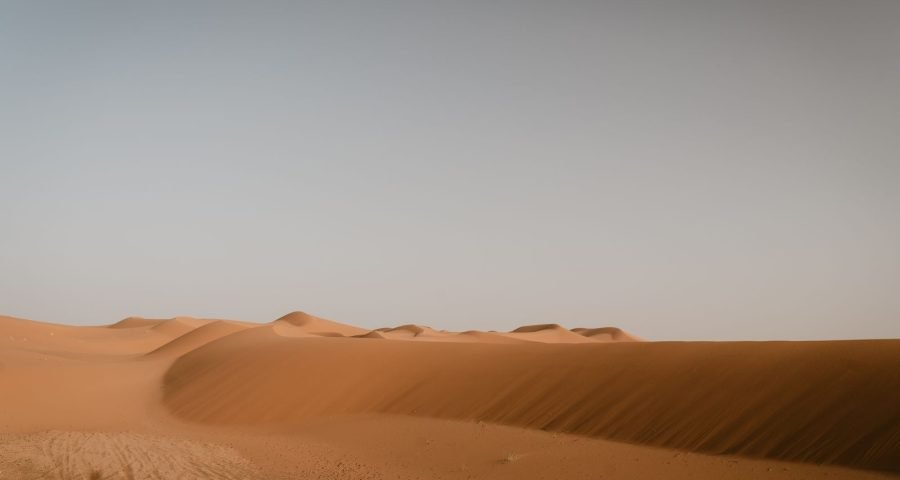
For most travelers, a night in the Sahara Desert is the single most memorable part of a Morocco trip, and often the reason the trip was booked in the first place. It typically means a camel trek into the dunes as the afternoon light softens, a night in a Berber-style tented camp surrounded by nothing but sand and sky, and a sunrise that turns the dunes from deep rose to gold. It is quieter, darker, and more remote than almost anywhere else in the country, and that contrast is exactly what makes it so striking.
This guide covers the practical side of planning a Sahara trip: which desert region to choose, how to actually get there, what a night at camp is really like, and how to decide on route length and style.
Merzouga (Erg Chebbi) vs Zagora (Erg Chigaga)
Morocco has two main desert regions accessible from the main tourist circuit, and choosing between them is one of the first real decisions in planning a desert trip. Merzouga, home to the Erg Chebbi dunes, is the more popular and more accessible of the two, roughly 9-10 hours’ drive from Marrakech (usually split over 2-3 days via Ait Ben Haddou and the Dades Valley), with genuinely tall, classic dunes reaching up to 150 meters. Zagora, near the Erg Chigaga dunes, is closer to Marrakech (about 6-7 hours) but the dunes themselves are smaller and require a longer 4×4 or camel transfer to reach the most impressive sections, making it a better fit for shorter trips with less time to spare.
For most first-time visitors with the time for at least a 3-day route, we recommend Merzouga: the dunes are more dramatic, the route there passes through more of the country’s best scenery (the Atlas Mountains, Ait Ben Haddou, the Dades Gorges), and the camp infrastructure is more developed. Zagora suits travelers genuinely short on time who still want a real desert taste without the longer drive.
Getting to the Sahara
There is no realistic way to reach the Sahara by train, and public bus options are slow and inconvenient for a desert-focused trip. Nearly every visitor reaches Merzouga or Zagora by private vehicle, either as a dedicated Morocco desert tour from Marrakech or Fes, or as part of a longer multi-day route. The drive itself is genuinely part of the experience, not just a means to an end, passing through the High Atlas via the Tizi n’Tichka pass, the kasbah of Ait Ben Haddou, and the Dades and Todra Gorges, all worth stopping at along the way rather than rushing through.
Desert camps range from simple shared-facility setups to comfortable private tents with proper beds.
What a Desert Camp Is Really Like
Camps are set up in sheltered pockets between the dunes, usually clusters of canvas tents arranged around a central dining and lounge area. Despite the remote setting, most camps used by private tour operators are more comfortable than travelers expect, with proper mattresses and bedding, since desert nights turn surprisingly cold even after a hot day. Dinner is typically a communal, multi-course meal cooked over an open fire or in a tagine, often followed by traditional Berber drumming and music around the fire, an informal tradition rather than a staged performance.
Camp quality varies significantly between operators, from simple shared-facility setups to private tents with proper en-suite bathrooms. Budget operators sometimes place solo travelers in shared tents to fill capacity; we include a private tent as standard for every booking, solo or not.
Camel Trekking Into the Dunes
The journey into camp is almost always made by camel, following trails local Berber guides have used for generations. The ride typically takes 45 minutes to an hour at a slow, steady pace, giving time to watch the dune colors shift as the sun drops. It is not physically demanding, but it is a genuinely different sensation from anything else on a Morocco itinerary. Guides walk alongside the camel train on foot, with stops built in for photos at particularly striking dune ridges.
Sunset, Stargazing & Sunrise
Sunset over the dunes is one of the most photographed moments in Morocco, the sand shifting through gold, orange, and deep red as the ridgelines throw long shadows. After dark, the absence of nearby towns makes the Sahara one of the best stargazing locations in the country; on a clear night the Milky Way is often visible with the naked eye. Many travelers choose to wake before dawn and climb a nearby dune on foot to watch sunrise, a quieter, more solitary moment than sunset since fewer people make the early effort.
How Long Should You Spend in the Desert?
One night at camp is the standard and gives you the full experience: camel trek, dinner, stargazing, and sunrise. Two nights allows a deeper, slower pace, useful if stargazing or photography is a priority, or if you want a full rest day away from driving. For a genuinely immersive alternative to a single overnight, our Sahara Desert Walking Expedition spends 4 to 7 days walking through the dunes alongside a camel caravan, camping in a different remote location each night.
Practical Tips for a Sahara Desert Trip
- Pack a warm layer regardless of season — desert nights are cold even when days are hot
- Best visited October through April for the most comfortable overall experience
- A scarf or wrap doubles as sun protection and protection from occasional blowing sand
- Bring a headlamp; lighting outside the dining tent is limited after dark
- Book a private tent specifically if traveling solo, as some budget operators default to shared tents
- The drive to Merzouga is genuinely part of the experience — build in stops rather than rushing it
- Time your trip around the new moon for the darkest, clearest stargazing
Choosing the Right Route Length
3 days from Marrakech: The minimum realistic length, covering the drive out via Ait Ben Haddou and the Atlas Mountains, one night at camp, and the return drive. Best for travelers with limited time who still want the full desert experience.
4-5 days: Adds either a second desert night or a stop in Fes on a one-way route through, rather than backtracking to Marrakech, letting you see more of the country without extra desert time.
7+ days: Enough time to properly explore the Dades and Todra Gorges, add extra nights in the Atlas Mountains, or extend into a multi-day desert walking expedition rather than a single overnight camp.
See our full range of Morocco desert tours for specific routes and durations, from 3-day Marrakech loops to longer one-way journeys to Fes.
Frequently Asked Questions
Merzouga (Erg Chebbi) has taller, more dramatic dunes and a more scenic route from Marrakech, and is our general recommendation for trips of 3 days or more. Zagora is closer and suits shorter, time-limited trips.
A minimum of 3 days round-trip from Marrakech is realistic given the distance, with one night at camp. Longer routes of 4-7 days allow more stops along the way or a multi-day desert walking expedition.
Yes, often surprisingly so, especially from November through February when temperatures can approach freezing. Pack a proper warm layer regardless of how hot the day was.
It is possible but logistically difficult without a private vehicle, and arranging a trustworthy camel trek and camp on arrival adds real uncertainty. We recommend booking as part of a private desert tour.
October through April offers the most comfortable days and bearable nights. Summer is intensely hot but still visited by travelers who prioritize a shorter, early-morning or late-afternoon camp arrival.
With us, yes, always. Some budget desert operators place solo travelers in shared tents to fill capacity, which is worth confirming before booking elsewhere.
PLAN YOUR TRIP
Ready for Your Own Sahara Desert Night?
Tell us your dates and how much time you have, and we’ll design a private route to Merzouga built around the rest of your Morocco trip.