TRAVEL PLANNING
The Best Time to Do Each Activity in Morocco: A Season-by-Season Guide
“When’s the best time to visit Morocco?” doesn’t really have one answer, because the country is big enough to run several climates at once — the High Atlas can be under snow while the Sahara is pleasant and the Atlantic coast is catching winter swell, all in the same week. The better question is what you want to do, since trekking, desert camping, surfing, and photography each have their own real window. Here’s how to time each one.
Trekking in the High Atlas
April through June and September through November are the sweet spots — warm days, cold-but-manageable nights, and the high passes clear of snow and ice. Toubkal’s summit route, Morocco’s highest, is at its most straightforward in this window.
Avoid peak summer (July–August) at lower elevations, where daytime heat makes multi-hour ascents miserable, and be cautious in deep winter (December–February), when snow and ice close the higher routes to all but properly equipped mountaineers.
The Sahara: Camping & Stargazing
October through April is the comfortable window for desert camping — daytime heat is manageable and nights are cool rather than punishing. Peak summer (June–August) regularly pushes past 40°C by midday, which is more endurance test than vacation. For the full month-by-month breakdown, see our Sahara Desert Temperature Guide.
Stargazing is best in this same cool, dry season, when skies are clearest and camps run later into the evening around the fire rather than retreating early from the heat. New-moon nights, away from any camp’s own lighting, give the darkest skies.
The Atlantic Coast: Surfing at Taghazout & Essaouira
Morocco’s Atlantic coast breaks year-round, so there’s no bad time to paddle out — but October through April brings the most consistent, powerful swells, pulling surfers from across Europe to Taghazout’s points and Essaouira’s windier breaks.
Summer (June–August) is calmer and better suited to beginners and longboarders, with smaller, gentler waves and warmer water — a genuinely different season for the same coastline.
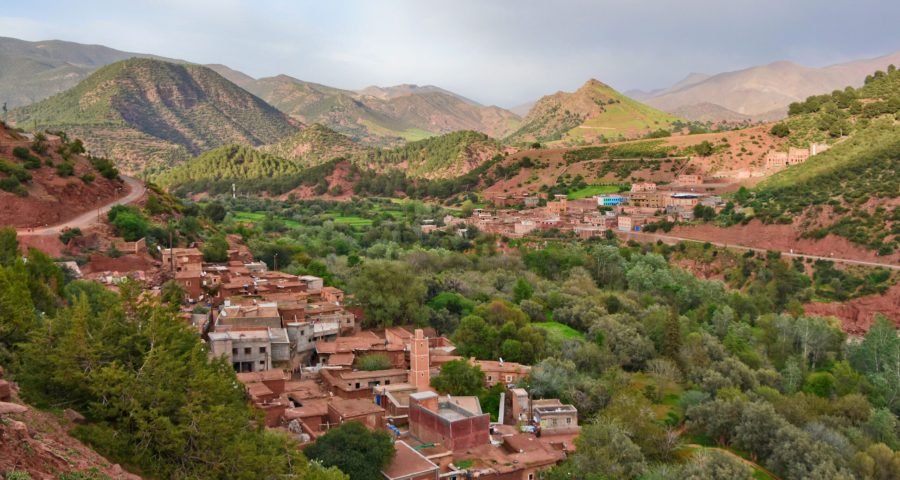
Spring and Autumn Bring the High Atlas's Valleys to Life for Trekking
Festival & Event Calendar
A handful of annual events are worth timing a trip around, or avoiding if you’d rather skip the crowds:
- Rose Festival, Kelaat M'Gouna (May): a three-day celebration of the Dades Valley's rose harvest, with parades and a rose-queen crowning in the small town at the heart of Morocco's rose-water industry.
- Gnaoua World Music Festival, Essaouira (June): the coastal town's biggest weekend of the year, blending traditional Gnaoua trance music with jazz and international acts across the medina's squares.
- Fes Festival of World Sacred Music (June): a week of concerts in the old medina's riads and squares, drawing performers and pilgrims of the festival circuit from well beyond Morocco.
- Marrakech Popular Arts Festival (July): street performers, musicians, and acrobats from across Morocco fill Jemaa el-Fnaa and the surrounding squares for a week.
Best Light for Photography
Timing your visit to a place, not just your trip overall, makes a real difference to the photos you come home with:
- Chefchaouen's blue streets: shoot in the first two hours after sunrise, before the alleys fill with visitors and while the light stays soft and directional against the blue walls.
- The Sahara: sunrise and sunset both work, but sunrise dunes are untouched by footprints and the light is calmer — worth the early alarm.
- Medina souks: midday sun through the slatted wood roofing creates dramatic shafts of light in Marrakech's and Fes's covered lanes — an effect that disappears in flatter morning or evening light.
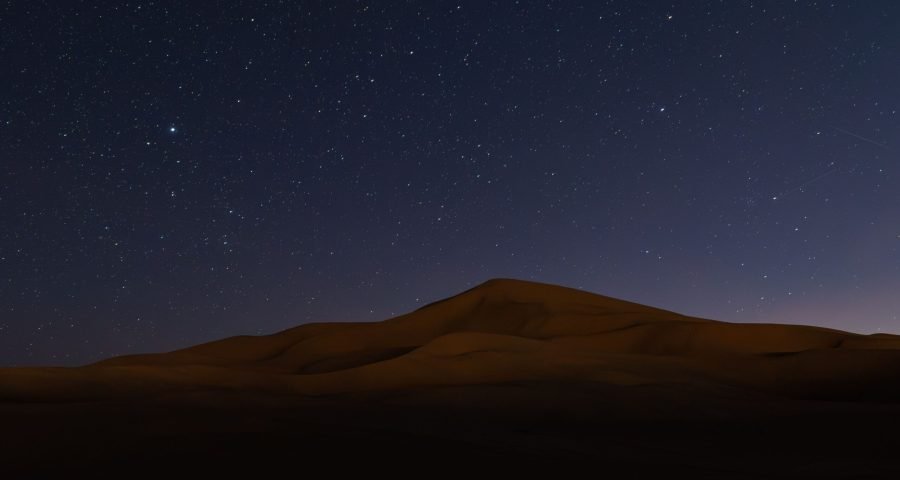
Cool, Dry-Season Skies Over the Sahara Are Some of the Clearest You'll Ever See
One Thing to Plan Around: Ramadan
Ramadan’s dates shift roughly 11 days earlier each year, and it’s worth knowing about rather than avoiding entirely:
- Daytime hours are quieter: many local cafés and some restaurants reduce hours or close until sunset, though hotels, riads, and tourist-facing restaurants stay open as normal.
- Evenings come alive: after Iftar (the sunset meal), medinas and squares fill with a festive energy that's genuinely worth experiencing, not just working around.
- Tours and transport run as normal, though it's respectful to avoid eating, drinking, or smoking visibly in public during daylight hours out of consideration for those fasting.
Related on Marvels of Morocco: Sahara Desert Temperature Guide — Best Time to Visit Morocco — Sahara Desert Travel Guide
FAQ
TRAVEL PLANNING
Ready to Plan Around the Perfect Season?
Tell us what you want to do — trek, camp under the stars, catch a festival, or all three — and we’ll help you time an itinerary around it. For activity-focused trips, see Sahara stargazing, High Atlas treks and birdwatching & photography.